
How to Cook Tasty Meals with Less Oil
Introduction
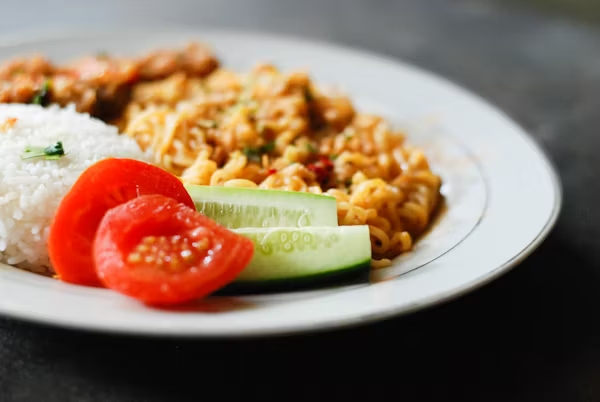
We all love flavorful, satisfying meals — the kind that make every bite memorable. But let’s be honest, most delicious dishes seem to come with one not-so-healthy secret: too much oil. While oil adds richness and texture, overusing it can make meals heavy, greasy, and less nutritious.
At Hungry Belly, we believe healthy eating should never mean compromising on taste. The good news? You can create mouth-watering meals using less oil without losing flavor, aroma, or that irresistible “restaurant-style” appeal.
In this blog, we’ll explore smart cooking methods, tasty meals with less oil, simple ingredient swaps, and flavor-boosting tips that help you enjoy tasty, wholesome food — with minimal oil and maximum satisfaction.
12 Tips for Tasty Meals with Less Oil
1. Understand Why Oil Isn’t Always Necessary
Oil plays multiple roles in cooking — it prevents food from sticking, enhances flavor, and helps distribute heat evenly. However, many home cooks tend to overuse oil out of habit.
The truth is, most recipes can be made just as delicious with half the usual oil (or even less). The secret lies in choosing the right cookware, using proper heat control, and enhancing flavor through spices, herbs, and natural ingredients.
2. Choose the Right Cookware
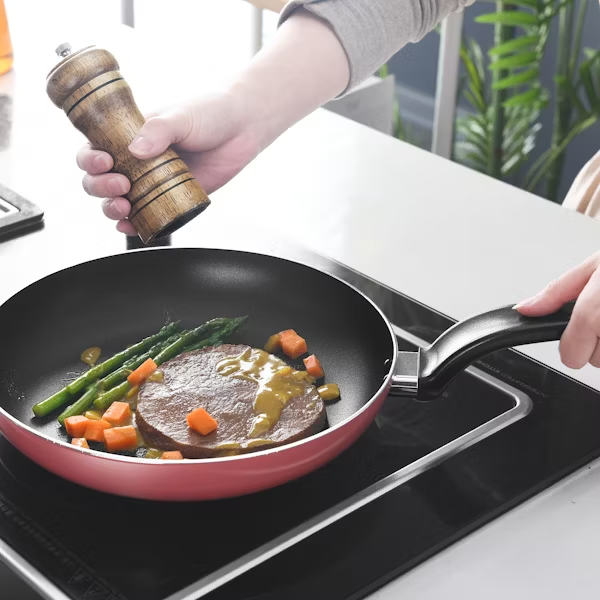
One of the simplest ways to reduce oil is to use cookware that helps you cook efficiently.
- Non-stick pans: Require very little oil to cook food evenly.
- Cast iron pans: Naturally non-stick when seasoned and retain heat beautifully.
- Ceramic cookware: Allows healthy cooking with minimal oil.
Tip: Warm your pan before adding ingredients — this prevents food from sticking and reduces the need for extra oil.
3. Use Smart Cooking Techniques
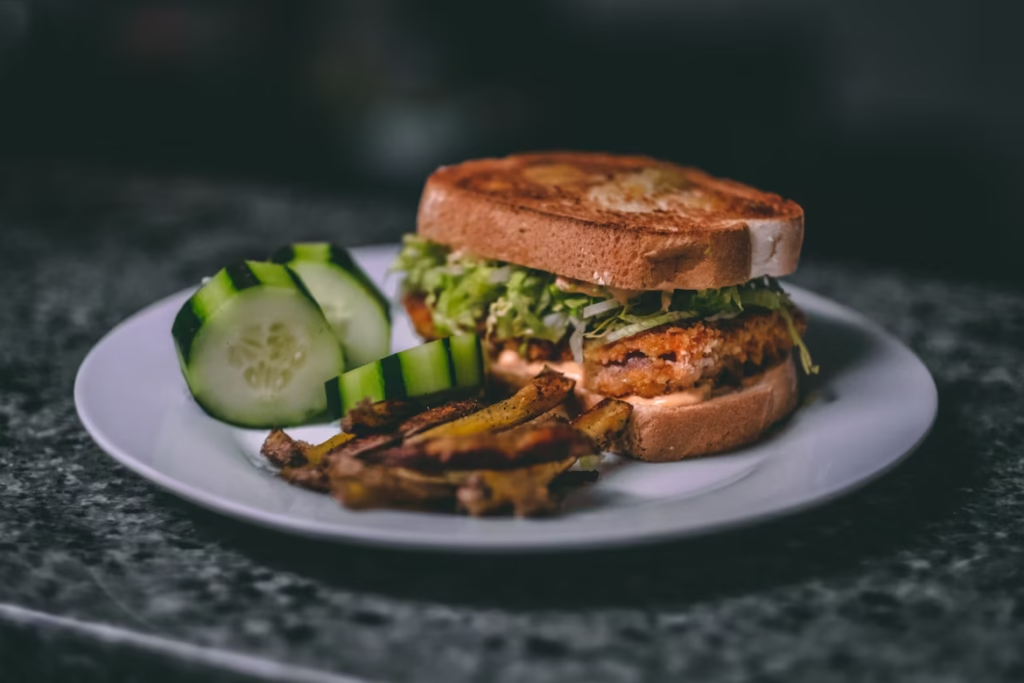
Certain cooking methods help retain flavor while cutting down on oil. Here are some chef-approved techniques to try:
1. Grilling and Baking
Grilling vegetables, meat, or fish adds smoky flavor and crispy texture — all without needing deep frying.
Brushing just a light coat of olive oil before grilling helps keep food moist and flavorful.
2. Sautéing with Broth or Water
Instead of oil, start sautéing onions, garlic, or vegetables with a splash of vegetable broth or water. Once they soften, add spices or sauce for depth of flavor.
3. Steaming
Steaming retains nutrients and natural taste, especially for vegetables. To enhance flavor, add herbs, lemon slices, or garlic to the steaming water.
4. Air Frying
An air fryer gives the crispy texture of fried food with up to 80% less oil. Perfect for fries, cutlets, and even crispy paneer bites!
5. Roasting
Roasting in the oven caramelizes natural sugars in vegetables, bringing out rich, deep flavors — no need for heavy oil coating.
4. Choose the Right Type of Oil
When you do use oil, make every drop count.
Go for oils that are high in nutrients and flavor, such as:
- Olive oil: Great for salads, pasta, and Mediterranean-style dishes.
- Coconut oil: Ideal for tropical, Indian, or Asian recipes.
- Avocado oil: Perfect for sautéing and grilling due to its high smoke point.
- Mustard oil: Adds bold flavor to Indian dishes even in small amounts.
Using flavorful oils allows you to use less while still enhancing taste.
5. Rely on Natural Flavors
You don’t need oil to make your food delicious. Instead, focus on building flavor naturally:
- Onions and garlic – sauté or roast for a deep base flavor.
- Fresh herbs – basil, coriander, or parsley instantly lift any dish.
- Spices – cumin, turmeric, paprika, or pepper add warmth and aroma.
- Citrus juice or zest – brightens up meals and balances richness.
- Tomatoes, yogurt, or coconut milk – create creamy sauces without heavy oil.
Combining these smartly can make even low-fat dishes taste indulgent.
6. Learn the Power of Seasoning
Seasoning plays a huge role in how flavorful your food tastes. Restaurants use layers of flavor to make dishes irresistible — and you can too!
Here’s how:
- Season lightly at each step (not just at the end).
- Add a pinch of salt early to help release moisture from ingredients.
- Use freshly ground pepper, herbs, and spice blends for depth.
- Finish dishes with a squeeze of lemon or a drizzle of olive oil — just a touch adds incredible aroma.
7. Smart Ingredient Swaps
Here are some easy swaps that reduce oil without affecting taste:
| Instead of | Try This |
| Deep frying | Air frying or oven roasting |
| Full-fat cream | Greek yogurt or cashew paste |
| Butter-heavy sauces | Tomato or vegetable-based sauces |
| Sautéing in oil | Steaming or dry roasting spices |
| Oil-based marinades | Yogurt or vinegar marinades |
These substitutions keep your food healthy and vibrant while maintaining flavor.
8. Add Texture Without Frying
Crunch and texture make food enjoyable — and you don’t need deep frying to achieve them!
- Toasted breadcrumbs or crushed nuts make a great topping.
- Roasted chickpeas or baked croutons add satisfying crunch.
- Pan-sear or grill proteins like tofu or chicken for crisp edges without excess oil.
Texture is what makes “healthy” food exciting — don’t skip it!
9. Mind the Portion, Not Just the Oil
Sometimes, the problem isn’t how much oil you use — it’s how you use it.
Instead of pouring oil directly from the bottle, try these tricks:
- Use a brush or spray bottle to coat the pan lightly.
- Measure oil with a teaspoon instead of free-pouring.
- Add oil at the end of cooking for flavor rather than using too much upfront.
These small changes can cut your oil use in half — without losing taste.
10. Delicious Dishes That Use Less Oil
Here are some tasty, oil-light dishes you can try at home:
1. Veggie Stir-Fry
Quickly sauté mixed vegetables in minimal olive oil or broth. Add soy sauce, garlic, and a sprinkle of sesame seeds for flavor.
2. Tomato Basil Pasta
Cook pasta with a sauce made from fresh tomatoes, garlic, basil, and just a drizzle of olive oil — simple yet full of flavor.
3. Grilled Chicken with Lemon Herbs
Marinate chicken in yogurt, garlic, and lemon juice, then grill — tender, juicy, and healthy.
4. Roasted Veggie Salad
Toss vegetables with a teaspoon of olive oil, roast until golden, and serve with a light vinaigrette.
5. Steamed Dumplings
Flavor-packed fillings, steamed to perfection — no deep-frying required.
11. The Science of Flavor Without Oil
Here’s a little secret: most of the flavor in food comes not from oil, but from the Maillard reaction — the browning that happens when proteins and sugars cook at high heat.
That’s why roasting, grilling, and searing can deliver deep, satisfying flavors even with minimal oil. Pair this with aromatic spices and fresh ingredients, and you’ll never miss the excess oil again.
12. Keep It Fresh and Fun
Cooking with less oil doesn’t have to feel restrictive — it’s about rediscovering freshness. Experiment with herbs, citrus, nuts, and colorful vegetables. Try global cuisines that rely on spices and natural flavors, like Mediterranean, Thai, or Indian dishes.
Once you get used to lighter cooking, you’ll notice food tastes cleaner, fresher, and more satisfying.
Conclusion
Eating healthy doesn’t mean giving up on taste — it means cooking smarter. With the right cookware, minimal oil, and creative use of spices and herbs, you can enjoy meals that are both light and bursting with flavor.
At Hungry Belly, we believe that food made with care and creativity is always delicious — no matter how much oil it uses. So the next time you cook, challenge yourself: use less oil, add more imagination, and taste the difference!
Call to Action
Ready to try these tips in your kitchen? Explore more healthy and delicious recipes from Hungry Belly, where great taste meets smart cooking!