
How to Create a Healthy Eating Routine That Lasts
Introduction
Everyone wants to eat healthy — but maintaining a healthy eating routine for the long run is the real challenge. Many people start strong, full of motivation, only to fall back into old habits within weeks. The secret to lasting success isn’t about strict diets or giving up your favorite foods — it’s about creating a sustainable, balanced routine that fits your lifestyle.
At Hungry Belly, we believe healthy eating should be enjoyable, realistic, and flavorful. In this guide, we’ll walk you through how to build a healthy eating routine that truly lasts — one that nourishes your body, satisfies your taste buds, and becomes a natural part of your day.
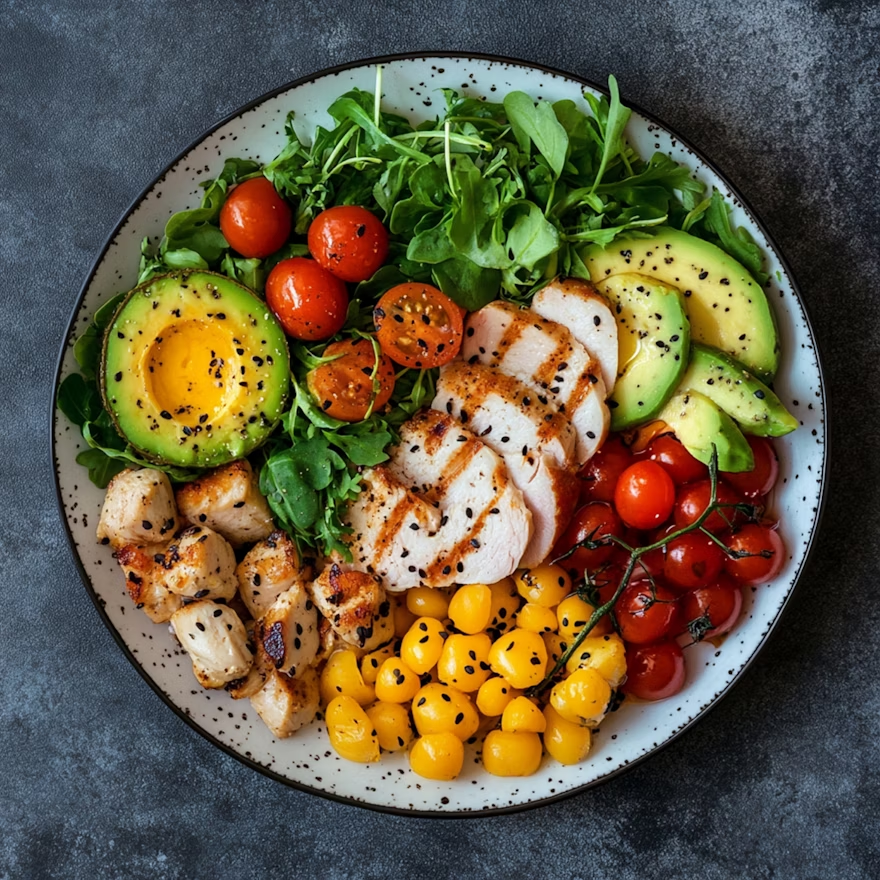
1. Understand What “Healthy Eating” Really Means
Healthy eating isn’t about perfection or restriction — it’s about balance. It means choosing foods that provide essential nutrients, keeping portions in check, and maintaining variety.
A healthy diet typically includes:
- Fresh fruits and vegetables
- Whole grains (brown rice, oats, quinoa)
- Lean proteins (chicken, fish, eggs, beans, tofu)
- Healthy fats (olive oil, nuts, seeds, avocado)
- Plenty of water
It’s not about eliminating your favorite dishes — it’s about making smart swaps and eating mindfully.

2. Start Small and Build Gradually
One of the biggest reasons people fail to maintain healthy eating habits is trying to change everything at once.
Instead, start small. Begin with one or two changes you can realistically stick to. For example:
- Replace sugary drinks with water or fresh juices.
- Power up your plate with an extra helping of vegetables.
- Choose whole-grain bread instead of white bread.
Once these habits become natural, add more healthy changes. Step by step, you’ll build a sustainable routine that feels effortless.
3. Plan Your Meals Ahead
Meal planning is a game changer when it comes to healthy eating. When you plan your meals, you make fewer impulsive choices — meaning fewer fast-food runs or skipped meals.
Here’s how to do it easily:
- Make a weekly menu — Breakfast, lunch, dinner, and snacks.
- Write a shopping list — Stick to healthy ingredients.
- Prep in advance — Chop veggies, marinate proteins, or cook grains ahead of time.
When your meals are planned and prepped, eating healthy becomes automatic instead of stressful.

4. Prioritize Balanced Meals
Every meal should include a balance of protein, carbohydrates, and healthy fats to keep your body energized and satisfied.
Example of a Balanced Meal:
- Protein: Grilled chicken or paneer
- Carbs: Brown rice or whole wheat roti
- Fats: Olive oil dressing or avocado
- Fiber: A side of vegetables or salad
This balance helps you stay full longer, avoid sugar crashes, and maintain consistent energy throughout the day.
5. Make Your Plate Colorful
A simple rule for healthy eating is to “eat the rainbow.”
Colorful fruits and vegetables are rich in vitamins, antioxidants, and minerals that keep your immune system strong and your skin glowing.
Try adding:
- Red: Tomatoes, strawberries, bell peppers
- Orange: Carrots, sweet potatoes, oranges
- Green: Spinach, broccoli, peas
- Purple: Beets, eggplants, blueberries
The brighter your plate, the better you’ll feel!
6. Eat Mindfully, Not Mindlessly
True healthy eating starts not only on your plate but in your habits.
Mindful eating means paying attention to your hunger, enjoying every bite, and avoiding distractions like phones or TV during meals.
Tips for mindful eating:
- Eat slowly and chew your food well.
- Stop eating when you’re 80% full.
- Appreciate the flavors and textures of your food.
This simple practice helps improve digestion, prevents overeating, and deepens your relationship with food.
7. Don’t Skip Meals
Skipping meals might seem like an easy way to cut calories, but it usually backfires. When you skip meals, your metabolism slows down and you end up overeating later.
Instead, aim for three balanced meals and one or two small snacks throughout the day.
For example:
- Breakfast: Oats with fruits and nuts
- Lunch: Grilled chicken or lentil curry with rice
- Snack: Yogurt or a handful of almonds
- Dinner: Vegetable stir-fry or soup
Keeping a consistent eating pattern helps regulate hunger and energy levels.
8. Stay Hydrated
Often, your body craves hydration, not a snack.. Drinking enough water throughout the day keeps your metabolism active, aids digestion, and improves skin health.
Aim for at least 8 glasses of water per day.
You can also include herbal teas, infused water, or coconut water for variety.
Tip: Keep a water bottle with you at all times — it’s a small habit that makes a big difference.
9. Make Healthy Eating Enjoyable
Healthy eating doesn’t mean boring food. You can still enjoy delicious flavors by experimenting with herbs, spices, and cooking methods.
Try these tips:
- Use spices like turmeric, cumin, and basil to boost flavor and nutrition.
- Grill, bake, or steam instead of deep-frying.
- Try restaurant-style recipes (like those at Hungry Belly!) made with wholesome ingredients.
When your meals are full of flavor, it’s easier to stay consistent with healthy eating.
10. Allow Yourself Flexibility
Don’t chase perfect meals; chase mindful ones. It’s important to have a flexible mindset when it comes to food.
- Enjoy your favorite treats in moderation.
- Don’t feel guilty if you have an occasional cheat meal.
- Focus on progress, not perfection.
Remember: A single meal doesn’t define your health. What matters is your overall pattern of eating over weeks and months.
11. Track Your Progress
Keeping a simple food journal can help you stay aware of your eating habits. You don’t need to count every calorie — just note what you eat, how you feel, and any patterns you notice.
Tracking helps you:
- Identify unhealthy habits (like late-night snacking).
- Celebrate small wins (like eating more vegetables).
- Stay accountable to your goals.
Apps like MyFitnessPal or even a simple notebook work perfectly for this purpose.
12. Get Support from Family or Friends
Healthy habits are easier to maintain when you’re not alone. Encourage your family or friends to join you in your healthy eating journey.
You can:
- Cook together at home
- Try new healthy restaurants
- Share recipes and progress
Support keeps you motivated and makes the process more fun and social.
13. Combine Healthy Eating with Active Living
To get the most out of your healthy eating routine, pair it with regular physical activity.
You don’t need to hit the gym every day — just move your body!
- Walk after meals
- Take the stairs
- Practice yoga or stretching
When you combine nutrition with movement, you’ll notice better energy, focus, and mood.
14. Be Consistent — Not Perfect
Consistency is what turns healthy eating into a long-term habit. It’s normal to have days where you eat more or less than planned — what matters is getting back on track the next day.
A simple rule:
“Don’t strive for perfection. Strive for progress.”
Small daily actions create big results over time.
Conclusion
Creating a healthy eating routine that lasts is about more than diet plans — it’s about building habits that nourish your body and mind.
Start small, eat mindfully, plan your meals, and make healthy food exciting. Before you know it, these small changes will become a natural part of your lifestyle.
At Hungry Belly, we believe healthy eating doesn’t mean sacrificing taste — it means celebrating food that’s both delicious and nourishing.
Call to Action
Ready to start your Healthy Eating Routine journey?
Visit Hungry Belly for recipes, meal ideas, and dishes that make healthy living easier — and tastier — every day.